Tuesday, October 29, 2013

How to save money on your Construction or Landscape Project

Who doesn't love a good deal? Landscape and construction projects can have a great return on investment when it comes to resale of your home, but they also can cost a lot of money to get the job done right. That's why I came up with a few tips to make sure you get the most bang for your buck. Here are 5 simple tips you can use to save big on your next project:


1. Set a budget:
If you know how much you would like to spend, let the contractor know. Most legitimate contractors will do what they can to work within your budget and may even throw in some extras to sweeten the deal.

2. Ask for contractor selection: Sometimes contractors can get a great deal on a particular plant or already have a certain variety of material in stock. Because of this they are able to discount a certain material by as much as 50%. If the contractor has surplus material from another project, they may be able to offer it to you on a discount as long as you are not picky about the color or type.

3. Seasonal pricing specials: For contractors, winter is the slow season. That is why construction prices drop significantly in the colder months. From November to March ask your contractor if they are willing to offer a discount for the winter season.

4. Look for Coupons: Many contractors offer coupons online or in local papers. You can also get discounts by signing up for a monthly newsletter. Search around so you are sure to get the best price.

5. Bundle Projects: If you have several projects you would like to get done, ask the contractor if they are willing to give you a discount for packaging the projects together. Many will!

I hope these tips help you save money on your next project. Feel free to give us a call 301-603-1080 or visit us online to set up an estimate.

Thursday, October 3, 2013

Focus on Concrete

So you are interested in installing a new walkway, driveway, retaining wall or patio and you are looking into concrete. Concrete is one of the most affordable and frequently used building material out there.


First, let's talk about what concrete is. concrete is a mixture of six different components: Cement, Coarse Aggregate, Fine Aggregate, Water, Fly Ash, and Chemical Admixtures. Concrete can be made into different types depending on the mix ratios and properties of the concrete. For example, a lower water to cement ratio is generally better because it gives the concrete less permeability and is better resistant to the elements. The PSI (strength) of the concrete can also be manipulated. In general we recommend at least 4000 PSI for a driveway and at least 3500 for structures like walkways that will not sustain a lot of force. The chemical admixtures can also be changed to extend or limit setting time and to increase freeze/thaw durability.

You don't have to settle with boring old white sidewalk concrete either. Concrete can be stamped, stained and sculpted to resemble more expensive building materials like pavers and natural stone. Concrete can also be made permeable for a greener option.

While concrete is a relatively strong and durable material, one of its downfalls is that is does tend to crack over time and with changes in the weather. Although the mixture and number of joints can be altered to help prevent cracks, even well installed concrete may crack over the years. However, the versatility and relative low cost of concrete may outweigh this con for many looking to install hardscaping.

If you are interested in installing a concrete structure, give us a call to set up an estimate and discuss your options. 301-603-1080.


Wednesday, September 11, 2013

Mediterranean Landscaping

Unfortunately or Fortunately I can never quite unplug from work when I'm on vacation, and on our last trip to Spain the landscaping really inspired me. Seeing the history of Mediterranean culture incorporated into the picturesque Spanish landscape gave me the idea me to post a blog about some of the features I encountered that you could incorporate into your own yard to make your outdoor space feel like a private Mediterranean get away.

The beauty of the south of Spain is really indescribable: Mountains embracing the sea, crisp blue sky merging into the aquamarine waters, tropical plants, a sense of history and opulence. The food is delicious too! If you have time and money I seriously recommend taking a trip to southern Spain to experience the breathtaking aesthetics for yourself, but if you still want the feel of a Mediterranean paradise while remaining in the comfort of your own home I have some tips for that too! Below are some themes I noticed in the Spanish gardens that you could use in your own yard to create the same Mediterranean feel.


1. Tropical Plants: Cactus, fruit trees, palms -- incorporate some exotic plants into your landscape. Talk with your landscaper to find plants that will work with your climate, but still produce a Mediterranean feel.


Fresh Limes!


2. Hedges: sculpted boxwood-- A great way to add structure and form to your garden. The line of the hedges helps lead the viewer to a focal point in the yard. These were a big theme in the Spanish gardens we visited.


 3. Pergola: Another nice feature. In Spain, they provide shade from the hot Mediterranean sun while still allowing for airflow. Pergolas have the magical ability of transforming an outdoor space into a romantic garden.

4. Mosaics: Mosaics can be incorporated into any type of hardscape and really give it an opulent and exotic feel. These were very common in many of the outdoor spaces we visited and many of them were very old.


 5. Stone work: Natural stone was used in many of the gardens and castles, both new and old. The stonework resonated with history but also echoed the majestic mountains that bordered the sea.


 6. Character Trees: I saw lots of interesting trees that spoke of the history and of the climate. By featuring an exotic or interesting tree in your yard you can capture that Mediterranean feel.


7. Bull ring: Hey, if you really want to be authentic, how about installing a bull ring? --- just watch out for the bulls! Yikes!


Monday, August 19, 2013

All About Pavers

One of the products we most commonly recommend for hardscaping is pavers. While pavers are a little more expensive than concrete or asphalt, they are often a better investment. Here's why: concrete and asphalt are poured in large slabs so they tend to crack more easily. Changes in the weather, ice and water accumulation cause small cracks in these materials that can become larger over time. In addition, changes in the earth also cause movement and cracks to the large slabs. Pavers are considered a moveable pavement and they are smaller so they tend to adapt to changes in the earth.


Pavers also tend to come with a lifetime warranty from the manufacturer. Asphalt and concrete are not warrantied. The labor on pavers can also be warrantied longer because the product tends to last longer.

In addition to their durability, pavers have a more luxurious aesthetic. Since outdoor features have one of the highest re-sale values, you can bet that an investment in pavers will get you a larger return on your investment when/if you decide to resell your home.

If you have sustainability on your mind, permeable pavers also offer a green option that can be used to earn LEED credits. While there is also the option of permeable concrete, asphalt does not have a "green" option available.

For all these reasons, we think pavers are one of the best options out there for hardscaping. Although they are slightly more expensive than concrete or asphalt they are cheaper than natural stone or flagstone and their benefits far outweigh the cost difference.

If you are considering installing a hardscape call us at 301-603-1080 to explore all of your options and to weigh the pros and cons of each.

Friday, July 19, 2013

Twisted Cistern!

Couldn't resist a little 'heavy metal' pun in the title. But all bad jokes aside, cisterns and rain barrels are a great solution for anyone looking to reduce water costs, landscape sustainably and help reduce water overflow and run-off.

Cisterns and rain barrels are essentially the same thing. Cisterns are large rain barrels. They are both large tanks that capture water from a collection area (i.e. downspout). These tanks can be used to capture, store and reuse rain water. The tanks can be installed either below or above ground, but require a proper base since a full tank can weigh a few hundred pounds and may sink if not installed correctly.

Rain water from most roofs can be considered "gray water" and can be used for processes such as watering plants and flushing toilets. In addition, using a cistern or rain barrel reduces the load of storm water and helps prevent run-off. It also helps reduce the use of potable water for irrigation.

For a relatively low cost, you can install a cistern with some accessories to water your plants and help reduce your water costs. Cisterns and Rain barrels are low maintenance but typically require a cleaning once a year and regular inspection to ensure seals are functional and that there are no clogs in the system.

If you are interested in this or other great green landscaping/construction solutions please give us a call 301-603-1080.

Friday, July 12, 2013

Spotlight on Green Roofing.

Ever seen a house that looked like it was sporting a toupee of grass? While there are varying degrees of green roofing, from partially covered to fully covered green roofing is a sustainable trend that has been on the rise in recent years.

green-roof-in-bloom.jpg

Green roofs can be installed in place of or in complement to traditional roofing. The vegetation typically weighs more than traditional roofing so a structural engineer may be needed to verify that the building can support the weight. In addition, the plants may require a drainage or irrigation system and additional care must be taking to waterproof the area below the plants to prevent leaks that may damage the structure of the building.

Although the structure of the green roof is more complex, there are many benefits that come along with it. In addition to absorbing rainfall and helping to prevent runoff, green roofs also provide additional insulation which helps reduce heating and cooling costs. Green roofing also helps to reduce the heat island effect, filters pollutants and provides habitats for wildlife.

If you are interested in installing a green roof but worried about the cost, check out this cool cost estimator, which compares the cost of a green roof, a traditional asphalt roof and a white roof over time.

Wednesday, May 1, 2013

Maryland Native Plants

Great! You're interested in going native! Native plants, that is. Just in time for spring, you want to re-do your garden to be as sustainable as possible. And hey, the fact that native plants require less maintenance is just a natural bonus, right?


Here are a list of some common native Maryland Plants that are great to use in your garden:

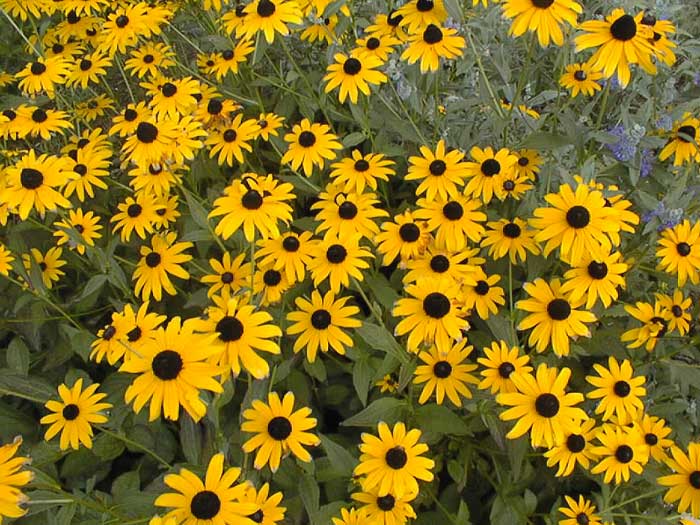
Rudbeckia (Black eyed Susan): Add a pop of color with this hardy state flower.

Vibirnum: Nice looking, sturdy shrubs

Rhododendron: Shrubs with big pom-pom like flowers

Cercis canadensis (Redbud): Pretty small tree


Aquilegia canadensis (eastern or wild columbine): Interesting looking flowers


Dicentra cucullaria (Dutchman’s breeches): One of my favorites! A pretty heart shaped flower.

Those are a few of my favorites, but the list goes on and on. For a more comprehensive list check out this free pdf: http://www.nativeplantcenter.net/guides/chesapeakenatives.pdf  provided by the native plants center.

Happy Planting!