Great! You're interested in going native! Native plants, that is. Just in time for spring, you want to re-do your garden to be as sustainable as possible. And hey, the fact that native plants require less maintenance is just a natural bonus, right?
Here are a list of some common native Maryland Plants that are great to use in your garden:
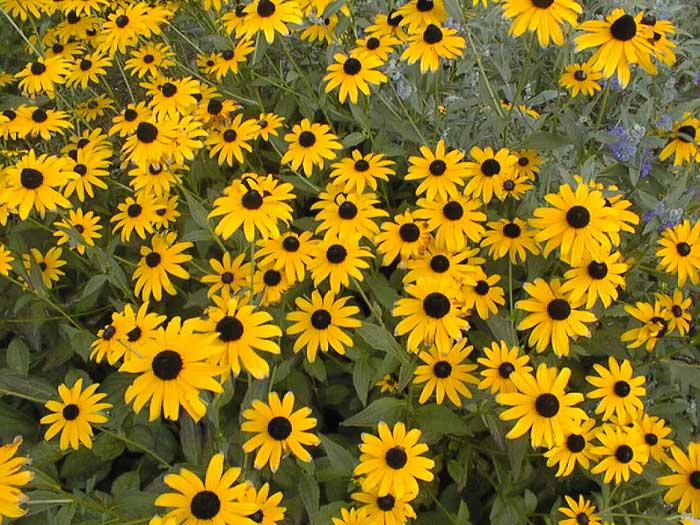
Rudbeckia (Black eyed Susan): Add a pop of color with this hardy state flower.
Vibirnum: Nice looking, sturdy shrubs
Rhododendron: Shrubs with big pom-pom like flowers
Cercis canadensis (Redbud): Pretty small tree
Aquilegia canadensis (eastern or wild columbine): Interesting looking flowers
Dicentra cucullaria (Dutchman’s breeches): One of my favorites! A pretty heart shaped flower.
Those are a few of my favorites, but the list goes on and on. For a more comprehensive list check out this free pdf: http://www.nativeplantcenter.net/guides/chesapeakenatives.pdf provided by the native plants center.
Happy Planting!
Green Future Construction LLC is a cutting edge landscape and construction company that seeks to offer quality service at reasonable prices while at the same time offering customers environmentally friendly options. www.greenfutureus.com eli@greenfutureus.com 301-603-1080
Showing posts with label maryland landscaping. Show all posts
Wednesday, May 1, 2013
Friday, January 14, 2011
Tips for Hiring Landscape Contractors
Most home owners will hire a landscape contractor to perform work on their yard at some time or another. However, finding a trustworthy professional to do the work is important, since this person will have access to your property. Landscaping, especially patio, walkway and retaining wall construction can be costly, so it is important that the contractor you hire knows what they are doing and operates legally to avoid any potential problems. Still, many home owners do not know what to look for when hiring a contractor, so here is a list of key requirements home owners should keep in mind when hiring a landscape contractor:
1. Make sure the contractor is licensed. Any work over $300 is required to be done by a licensed contractor in the state of Maryland. Contractors should be able to provide you with their MHIC (Maryland Home Improvement Commission) license number. Tree service professionals in Maryland should have a Maryland Tree Expert license number. You can also look contractors up on the DLLR website and DNR website.
2. Insurance. Make sure your contractor carries liability and workers comp insurance when required. If any damages do occur, you want to make sure you are covered.
3. Check for complaints with the BBB. Search the BBB for complaints on a contractor, companies are given grades based on the number of complaints received. Only use companies with a grade of A- or better.
4. Get References. Landscape contractors should be able to provide you with a list of customer references that have had similar projects done. If a contractor is not willing to provide references, they either don't have experience, or don't have any satisfied customers.
5. Get a few quotes. Get a few quotes from different sources. Review the different policies and prices for the quotes. Remember, budget is important but it shouldn't be the only factor. You want a landscape contractor who is reliable and offers quality work as well. a good landscaper will be able to work within a budget. Also keep in mind that by law, contractors can only ask for a down payment of 1/3 the total price of the project.
6. Use a Contract. Contracts are their to protect you, the buyer, and the contractor. Make sure you have all the work to be performed written in a signed agreement. Review the details and ask questions about guarantees and customer satisfaction policies.
7. Follow Your Gut. If something seems fishy, it probably is. Don't get swayed by price cuts or fancy add-ons. You want to feel comfortable with the landscape contractor you are working with.
Remember, landscaping can be a large expense. In order to get the most bang for your buck, make sure that you hire a trusted professional.
Thursday, September 2, 2010
Mo' Money Mo' Problems
When you think green what comes to mind? The environment? Money? St. Patrick's Day?
Lately "green" and environmentally friendly have become synonymous with expensive. You see it everywhere: At the grocery store organic milk costs almost twice as much as regular milk, green cleaning products are sure to cost a pretty penny more than their toxic counterparts and in landscaping and construction green always seems to add a few thousand dollars to the bill.
Today, a man walked into the Discovery Channel Building, appearing to have a bomb strapped to his chest, and taking hostages. The suspect is reported to have a long history of dissatisfaction with the Discovery channel, arguing that it's focus was not on the environment, as it claimed, but instead on products and making money.
It seems like the"green" industry has shifted from environmentalism to capitalist gains, but that is not all bad and consumers can use that to their advantage. The fact that sustainable design has gained awareness and that consumers are more willing to pay more for environmentally friendly products means that investors are more interested in creating these eco-options. The fact that there are so many "eco-options" means more choices for consumers and thus more competitive pricing. Even generic brands have come out with their own sustainable variety of products.
But even if you are not willing to pony up the extra bucks, green options, especially in landscaping can be cost neutral or even save you money. Green solutions especially for storm water management can save a lot of money: planting a rain garden is a relatively low cost option to solve potential flooding and other drainage issues. In addition, french drains can also be used to help solve drainage issues for a low cost.
Another way to help promote a clean environment and reduce the heat island effect is to choose pavement with a high SRI. By choosing hardscaping with a lighter color, you reduce the heat island effect, and help promote the native environment. The lighter color options should not add any costs on to your project. In addition, selecting native plants and local resources helps promote the native environment, and may be less costly, since the shipping costs for materials is not as high. Choosing native plants also reduces the need for irrigation, which can also save money.
In addition to all these low cost options, the government also offers rebates for green construction. In some areas you can pay for permeable pavers, and reduce the costs of solar or green roofing. By taking advantage of these government funded financial aids, consumers can afford construction that will have a more significant impact on reducing damage to the environment.
Although many see "green" as a higher cost alternative, the reality is that there are many low cost or no cost ways to promote sustainability. With the addition of government aid, eco-friendly options are well within budget-conscious consumers' reach.
Lately "green" and environmentally friendly have become synonymous with expensive. You see it everywhere: At the grocery store organic milk costs almost twice as much as regular milk, green cleaning products are sure to cost a pretty penny more than their toxic counterparts and in landscaping and construction green always seems to add a few thousand dollars to the bill.
Today, a man walked into the Discovery Channel Building, appearing to have a bomb strapped to his chest, and taking hostages. The suspect is reported to have a long history of dissatisfaction with the Discovery channel, arguing that it's focus was not on the environment, as it claimed, but instead on products and making money.
It seems like the"green" industry has shifted from environmentalism to capitalist gains, but that is not all bad and consumers can use that to their advantage. The fact that sustainable design has gained awareness and that consumers are more willing to pay more for environmentally friendly products means that investors are more interested in creating these eco-options. The fact that there are so many "eco-options" means more choices for consumers and thus more competitive pricing. Even generic brands have come out with their own sustainable variety of products.
But even if you are not willing to pony up the extra bucks, green options, especially in landscaping can be cost neutral or even save you money. Green solutions especially for storm water management can save a lot of money: planting a rain garden is a relatively low cost option to solve potential flooding and other drainage issues. In addition, french drains can also be used to help solve drainage issues for a low cost.
Another way to help promote a clean environment and reduce the heat island effect is to choose pavement with a high SRI. By choosing hardscaping with a lighter color, you reduce the heat island effect, and help promote the native environment. The lighter color options should not add any costs on to your project. In addition, selecting native plants and local resources helps promote the native environment, and may be less costly, since the shipping costs for materials is not as high. Choosing native plants also reduces the need for irrigation, which can also save money.
In addition to all these low cost options, the government also offers rebates for green construction. In some areas you can pay for permeable pavers, and reduce the costs of solar or green roofing. By taking advantage of these government funded financial aids, consumers can afford construction that will have a more significant impact on reducing damage to the environment.
Although many see "green" as a higher cost alternative, the reality is that there are many low cost or no cost ways to promote sustainability. With the addition of government aid, eco-friendly options are well within budget-conscious consumers' reach.
Subscribe to:
Posts (Atom)
