Monday, August 19, 2013

All About Pavers

One of the products we most commonly recommend for hardscaping is pavers. While pavers are a little more expensive than concrete or asphalt, they are often a better investment. Here's why: concrete and asphalt are poured in large slabs so they tend to crack more easily. Changes in the weather, ice and water accumulation cause small cracks in these materials that can become larger over time. In addition, changes in the earth also cause movement and cracks to the large slabs. Pavers are considered a moveable pavement and they are smaller so they tend to adapt to changes in the earth.


Pavers also tend to come with a lifetime warranty from the manufacturer. Asphalt and concrete are not warrantied. The labor on pavers can also be warrantied longer because the product tends to last longer.

In addition to their durability, pavers have a more luxurious aesthetic. Since outdoor features have one of the highest re-sale values, you can bet that an investment in pavers will get you a larger return on your investment when/if you decide to resell your home.

If you have sustainability on your mind, permeable pavers also offer a green option that can be used to earn LEED credits. While there is also the option of permeable concrete, asphalt does not have a "green" option available.

For all these reasons, we think pavers are one of the best options out there for hardscaping. Although they are slightly more expensive than concrete or asphalt they are cheaper than natural stone or flagstone and their benefits far outweigh the cost difference.

If you are considering installing a hardscape call us at 301-603-1080 to explore all of your options and to weigh the pros and cons of each.

Friday, July 19, 2013

Twisted Cistern!

Couldn't resist a little 'heavy metal' pun in the title. But all bad jokes aside, cisterns and rain barrels are a great solution for anyone looking to reduce water costs, landscape sustainably and help reduce water overflow and run-off.

Cisterns and rain barrels are essentially the same thing. Cisterns are large rain barrels. They are both large tanks that capture water from a collection area (i.e. downspout). These tanks can be used to capture, store and reuse rain water. The tanks can be installed either below or above ground, but require a proper base since a full tank can weigh a few hundred pounds and may sink if not installed correctly.

Rain water from most roofs can be considered "gray water" and can be used for processes such as watering plants and flushing toilets. In addition, using a cistern or rain barrel reduces the load of storm water and helps prevent run-off. It also helps reduce the use of potable water for irrigation.

For a relatively low cost, you can install a cistern with some accessories to water your plants and help reduce your water costs. Cisterns and Rain barrels are low maintenance but typically require a cleaning once a year and regular inspection to ensure seals are functional and that there are no clogs in the system.

If you are interested in this or other great green landscaping/construction solutions please give us a call 301-603-1080.

Friday, July 12, 2013

Spotlight on Green Roofing.

Ever seen a house that looked like it was sporting a toupee of grass? While there are varying degrees of green roofing, from partially covered to fully covered green roofing is a sustainable trend that has been on the rise in recent years.

green-roof-in-bloom.jpg

Green roofs can be installed in place of or in complement to traditional roofing. The vegetation typically weighs more than traditional roofing so a structural engineer may be needed to verify that the building can support the weight. In addition, the plants may require a drainage or irrigation system and additional care must be taking to waterproof the area below the plants to prevent leaks that may damage the structure of the building.

Although the structure of the green roof is more complex, there are many benefits that come along with it. In addition to absorbing rainfall and helping to prevent runoff, green roofs also provide additional insulation which helps reduce heating and cooling costs. Green roofing also helps to reduce the heat island effect, filters pollutants and provides habitats for wildlife.

If you are interested in installing a green roof but worried about the cost, check out this cool cost estimator, which compares the cost of a green roof, a traditional asphalt roof and a white roof over time.

Wednesday, May 1, 2013

Maryland Native Plants

Great! You're interested in going native! Native plants, that is. Just in time for spring, you want to re-do your garden to be as sustainable as possible. And hey, the fact that native plants require less maintenance is just a natural bonus, right?


Here are a list of some common native Maryland Plants that are great to use in your garden:

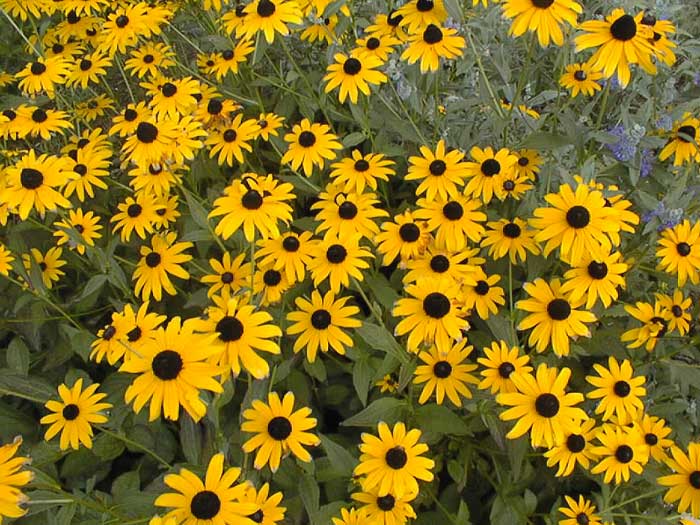
Rudbeckia (Black eyed Susan): Add a pop of color with this hardy state flower.

Vibirnum: Nice looking, sturdy shrubs

Rhododendron: Shrubs with big pom-pom like flowers

Cercis canadensis (Redbud): Pretty small tree


Aquilegia canadensis (eastern or wild columbine): Interesting looking flowers


Dicentra cucullaria (Dutchman’s breeches): One of my favorites! A pretty heart shaped flower.

Those are a few of my favorites, but the list goes on and on. For a more comprehensive list check out this free pdf: http://www.nativeplantcenter.net/guides/chesapeakenatives.pdf  provided by the native plants center.

Happy Planting!


Wednesday, April 24, 2013

Swales are Swell!

Spotlight on Bioswales


If you have a mud run in your yard a bioswale might be a perfect option. Swales are ditches lined with rip-rap (rough stones), compost or vegetation to help direct and filter water. In general a bioswale is made by creating a wide gently sloped ditch and filling it with a natural filtration device such as those previously mentioned. Swales are a great way to naturally and sustainably prevent erosion and run-off. Swales work by filtering out pollutants and distributing the flow of water. The construction of a swale can be quite specific from the grade of the slope to the amount and type of materials used, or it can be more informal. To find out more about swales, give us a call to arrange an appointment 301-603-1080.

Wednesday, April 17, 2013

Fire pits 101

The best part of camping is the campfire: roasting marshmallows, telling stories around it, watching the flames burst and wane. Want to bring that feeling of sitting around a campfire home? By installing a firepit you can do that, safely and beautifully.


What is a Firepit?
A firepit is an enclosure made of fire proof materials used for building a containing a fire.

What does a firepit look like?
There are many types of firepits you can install from metal ones that are moveable to ones that are made of concrete blocks and fixed in the landscape. In general a fire pit is a circular enclosure with a lower set center where you can build a fire.

Why install a firepit?
Installing a firepit can add a centerpiece to your yard that can transform it into an outdoor oasis. You bring the campfire feeling to your home and create a focal point to build memories around. Imagine roasting marshmallows and telling ghost stories in your own backyard!

Which type is right for me?
If you have a limited budget, you can get a movable metal firepit for a few hundred dollars. If you are looking for a more upscale feel and would like to have a permanent structure incorporated into your patio or deck, a concrete block or natural stone firepit is a better choice. It is more durable and can be built to match your other outdoor features.


We install firepits and would be happy to help you explore options and make a decision. Call us for a free consultation 301-603-1080.


Wednesday, April 10, 2013

Earth Month

A lot of people make New Years resolutions but what about making a "green resolution" for Earth Day? In honor of Earth Day, which is this month, I thought it would be nice to try to find ways to incorporate a little more "green" into our lives. I got inspiration from another blog to cut down on using paper towels, which we seem to use like water at our house. For the company, my goal is to encourage our employees to be more energy efficient in their operations.

If you are looking for simple ways to be a little more environmentally friendly in honor of Earth Day here are some ideas:

1. Turn out the lights and turn off/ unplug appliances when not in use
2. Walk, bike or take public transportation instead of driving
3. Recycle!
4. Donate old clothes or electronics instead of throwing them away.
5. Program your thermostat to use less energy when you are asleep or away from home.

Here are some ideas on how to be greener in your yard:

1. Use native plants
2. Solve drainage problems to prevent run-off and erosion
3. Use permeable pavers and concrete for hardscaped surfaces.
4. Mulch to help prevent run-off and erosion
5. Use materials with a high SRI (lighter color) to prevent the heat island effect.

I hope that these ideas can inspire you to change something this month!